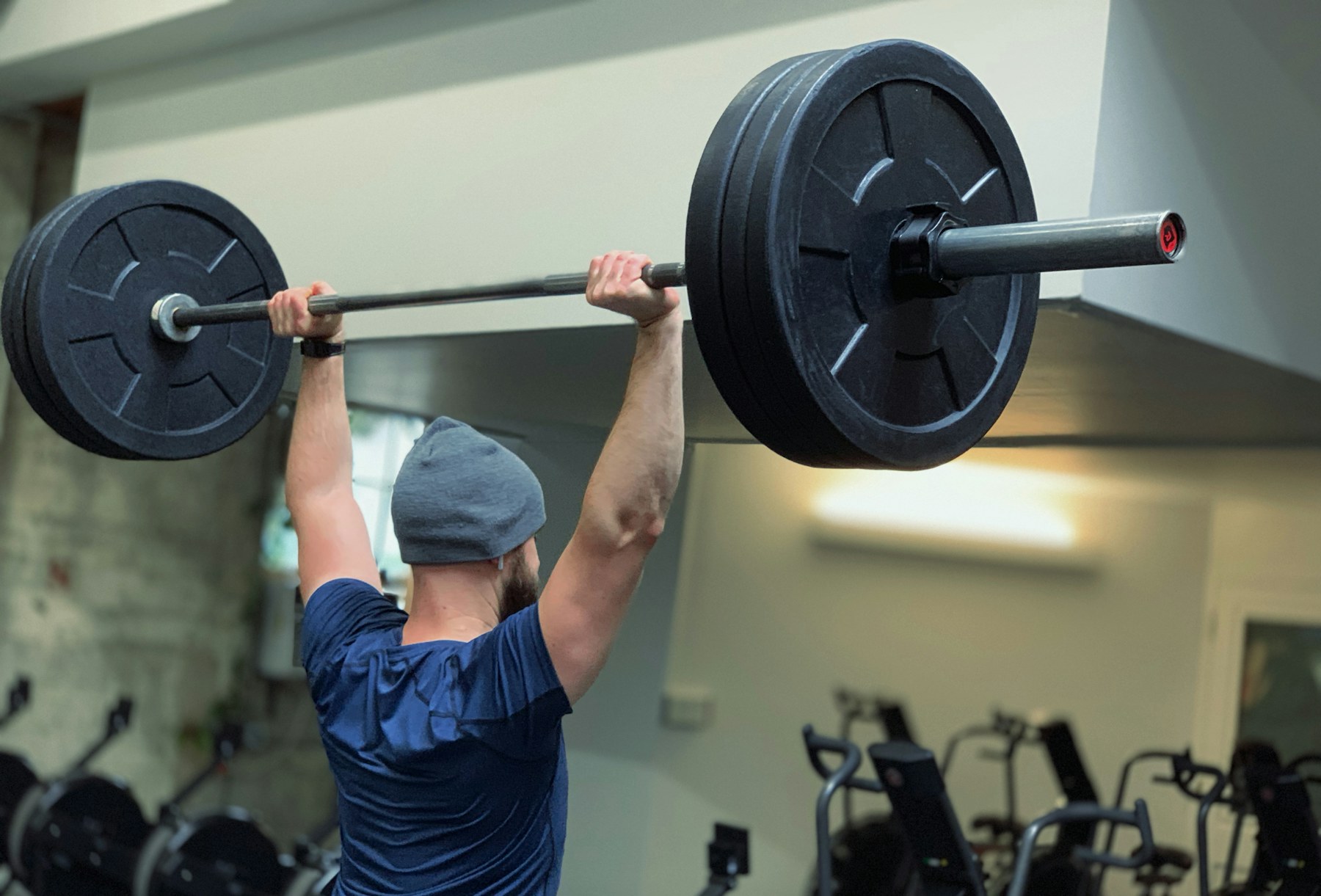
A good strength plan does not need complicated exercises or a packed gym. It needs a few movements you can do safely, enough effort to challenge your muscles, and a schedule you can repeat. Start with control, learn the movement, and add difficulty in small steps.
Strength training can help you get stronger, build muscle and make everyday tasks feel easier. The best beginner plan is usually the one you can follow for months. You do not need to train every day, test your limits each session or copy an advanced lifter’s routine.
This guide explains how to choose exercises, set up a three-day schedule and make progress without rushing. It is written for generally healthy adults who are new to resistance training. If you have an injury, a health condition or pain that changes how you move, get individual advice before starting.
What a beginner strength plan should include
Train the main movement patterns across the week: squat or sit-to-stand, hinge, push, pull and carry or brace. These patterns cover much of the work your body does in daily life. You can train them with machines, dumbbells, resistance bands or body weight. Pick the version you can perform with steady control.
Start with two or three strength sessions each week. Leave at least one day between full-body sessions at first. That gives you time to practise the movements and see how your body responds. Walking, cycling and other easy activity can fit on the days between lifting sessions.
For each exercise, begin with two sets of about eight to twelve smooth repetitions. This is a practical starting range, not a rule that fits everyone. Stop a set when you could still complete a few more clean repetitions. You should feel challenged, but you should not have to twist, bounce or hold your breath to finish.
Rest long enough to repeat the next set with good form. Many beginners do well with roughly one to three minutes, and larger or harder exercises may need more. Short rest is not a test of fitness. If your breathing or grip is still limiting the next set, take more time.
A simple three-day full-body routine
Use the same routine on three non-consecutive days, such as Monday, Wednesday and Friday. If three sessions feel like too much, do two. Consistency matters more than squeezing in an extra day.
- Squat pattern: goblet squat to a box, leg press or sit-to-stand — 2 sets of 8–12.
- Hip hinge: dumbbell Romanian deadlift or a light kettlebell deadlift — 2 sets of 8–12.
- Push: machine chest press, elevated push-up or dumbbell bench press — 2 sets of 8–12.
- Pull: seated cable row, band row or supported dumbbell row — 2 sets of 8–12.
- Core or carry: dead bug, plank from an elevated surface or farmer carry — 2 controlled rounds.
Choose only one option from each line. A qualified coach can help you learn unfamiliar movements in person. Warm up with a few minutes of easy movement, then practise the first exercise with a very light load. The warm-up should prepare you, not tire you out.
How to choose the right starting weight
The right load lets you complete every repetition through a comfortable range while keeping the same basic technique. The last repetitions should take focus, but they should not become a different movement. If you cannot control the lowering phase or your posture changes sharply, reduce the load or choose an easier version.
Write down the exercise, load and repetitions. This simple log helps you tell the difference between a hard day and a real pattern. You can also note how the exercise felt. A short note such as “steady” or “too heavy” is enough.
How to make progress
Use a small-step approach. First, add repetitions while keeping the same load and form. When you can reach the top of your chosen repetition range for every set on more than one session, increase the weight by the smallest practical amount. Then build the repetitions again.
For example, you might start with two sets of eight. Over several sessions, you work toward two sets of twelve. If twelve is controlled and repeatable, add a small amount of weight and return to eight or nine repetitions. Not every lift will progress at the same speed. That is normal.
Do not add weight just because a calendar says it is time. Your muscles, joints and coordination adapt at different rates. A stable technique is the condition for progress, not an optional extra. If the next weight jump is too large, keep the current load and improve control, or use a different exercise that allows smaller changes.
Common beginner mistakes
Doing too much too soon: A hard first week can create soreness that disrupts the next sessions. Start with fewer sets than you think you can handle and add work gradually.
Changing the whole routine every week: New exercises can be useful, but constant change makes it hard to practise and measure progress. Keep the main movements for several weeks before deciding they need a replacement.
Chasing soreness: Soreness is not a score for workout quality. A productive session can leave you with little soreness. Sharp pain, swelling or pain that changes your movement deserves attention and rest from the aggravating exercise.
Copying an advanced program: Advanced routines often assume years of practice and high recovery capacity. A beginner usually benefits more from fewer exercises repeated with good technique.
How to make the plan last
Pick training days that fit your actual week. Put sessions in your calendar and prepare the equipment or clothes beforehand. If you miss a day, continue with the next planned session rather than trying to make up for it with a punishing double workout.
Sleep, regular meals and enough fluids support training, but they do not need to become a complicated project. Eat a balanced diet with a protein source in your meals, and avoid treating supplements as a substitute for sound training.
The first goal is not to lift the most weight. It is to learn a handful of movements, finish sessions feeling capable of returning, and build a record of steady practice. Once that routine feels settled, you can adjust exercise choices, add sets or work toward a more specific goal.